
Why Bright Days Can Feel Exhausting Even Without Heat
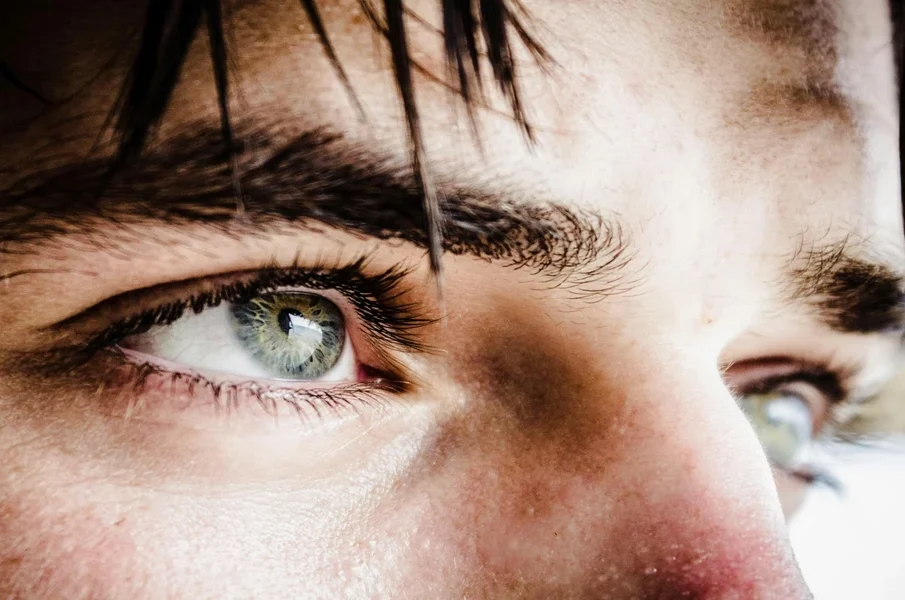
There’s a particular kind of tiredness that arrives on very bright days. Not the heavy, sluggish feeling that comes with humidity or high temperatures, but something sharper. Your eyes feel strained, your concentration slips, and by late afternoon you’re oddly drained despite having done very little.
It often catches people off guard because the weather itself doesn’t seem demanding. The air might be cool. There may even be a breeze. Yet after a few hours outside, or even near large windows, everything starts to feel slightly overwhelming.
Brightness affects the body more than most people realise, and not always in obvious ways.
Your Eyes Never Really Relax in Harsh Light
On extremely bright days, the eyes are constantly adjusting. Pupils constrict to reduce incoming light, facial muscles tighten, and blinking patterns subtly change. Even if you’re not consciously squinting, your eyes are working harder for longer periods of time.
This is especially noticeable in places where light reflects aggressively. Water, pale pavements, glass buildings, sand, and even winter roads can intensify brightness far beyond what the temperature suggests.
The strain tends to build gradually rather than all at once. People often mistake it for dehydration, poor sleep, or general irritability when in reality their eyes have simply been under pressure for hours.
Brightness Changes the Way the Brain Processes Information
Vision isn’t passive. The brain spends an enormous amount of energy interpreting what the eyes are seeing, and harsh light complicates that process.
Strong glare reduces contrast and clarity. Details become harder to separate. Depth perception can feel slightly distorted. You may find yourself refocusing more often while driving, walking, reading signs, or following movement in busy environments.
That constant visual correction takes effort.
It’s one reason bright conditions can leave people mentally fatigued even after relatively calm activities like sitting outdoors, watching sport, or spending time in town. The brain never fully settles into a comfortable rhythm because the visual environment keeps demanding adjustments.
Modern Life Makes Bright Light Harder to Escape
Natural brightness has always existed, but modern environments amplify it.
Large screens, reflective architecture, polished interiors, LED lighting, and open-plan spaces all add to the visual load. On bright days, the transition between outdoor glare and indoor artificial lighting can feel particularly harsh.
Many people notice headaches or eye discomfort after moving repeatedly between the two.
Cars are another surprisingly intense environment for light exposure. Sunlight bouncing off dashboards, mirrors, windscreens, and surrounding traffic creates a level of glare that can become exhausting during longer journeys, even in mild weather.
Sport and Movement Add Another Layer
Brightness becomes more physically demanding when movement is involved. Cyclists, runners, golfers, cricketers, and hikers spend long periods tracking motion while exposed to shifting light conditions.
The eyes have to respond quickly to contrast changes, shadows, reflections, and sudden flashes of glare. Over time, that can affect reaction speed, focus, and comfort.
This is partly why properly fitted sports glasses have become increasingly specialised. Lens tints, wraparound designs, and contrast-enhancing filters are often less about appearance and more about reducing visual fatigue over long periods outdoors.
Athletes have understood this for years, but the same principle applies to ordinary activities too. Walking through a city on a bright afternoon can sometimes feel just as visually demanding as a training session.
The Body Responds to Light Like a Stress Signal
Bright light affects more than eyesight alone. It influences alertness, hormone production, and nervous system activity.
Sunlight is generally beneficial, but intense exposure can also keep the body in a heightened state for too long. Some people become restless and overstimulated rather than energised. Others experience tension headaches, difficulty concentrating, or that peculiar “fried” feeling after a day outside.
It’s not weakness or overreaction. The body is simply responding to prolonged sensory input.
Once you notice it, a lot of small habits start to make sense. Seeking shade instinctively. Wearing a cap even when it isn’t hot. Feeling relieved when clouds move in after hours of brightness.
Sometimes exhaustion has less to do with heat, and more to do with how relentlessly bright the world has become.