5 Best Barefoot Walking Shoes for Natural Comfort and Mobility
Key Takeaways
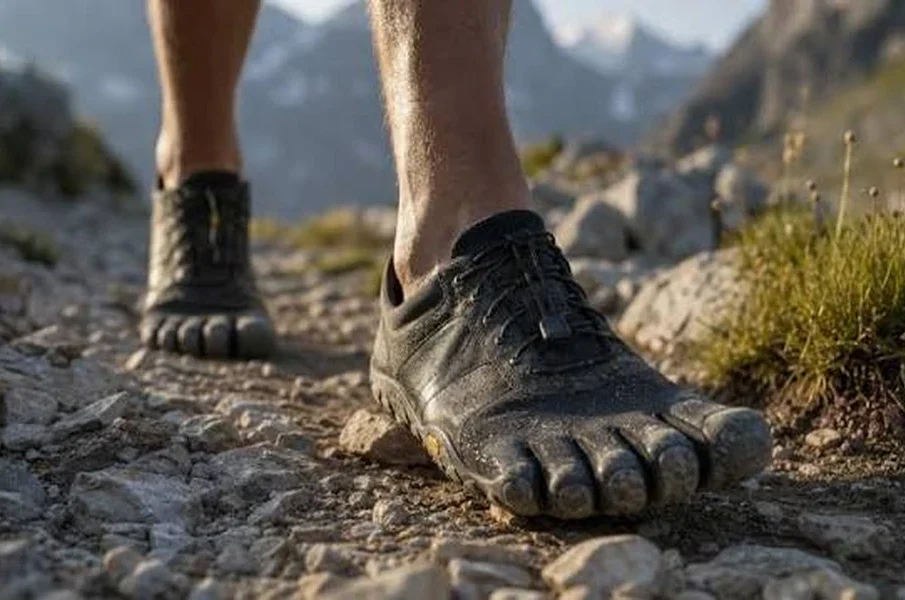
Vibram FiveFingers: A distinctive toe-separated design that offers flexibility and ground feel for people who prefer a more minimalist walking experience.
Xero Shoes: Lightweight barefoot-style footwear designed for everyday activities and a variety of walking environments.
Merrell Vapor Glove: A minimalist option with a flexible design suited to walking and selected outdoor activities.
Vivobarefoot Primus Lite: A lightweight shoe that emphasizes natural foot movement and a spacious toe area.
New Balance Minimus: A minimalist-inspired option that may suit people who prefer some cushioning while transitioning toward less structured footwear.
Choose the right fit: Look for a comfortable toe box, flexible construction, and a sole design that matches your walking needs.
Transition gradually: Start with shorter walks and increase wear time as your feet and lower legs adapt.
What Makes Barefoot Walking Shoes Comfortable?
Barefoot walking shoes are designed to allow more natural foot movement than many conventional shoes. They commonly feature flexible soles, a relatively wide toe box, and minimal cushioning. Some models also use a zero-drop design, meaning the heel and forefoot sit at approximately the same height.
For anyone searching for the best barefoot walking shoes, understanding these features is essential. The right pair should allow the toes to spread comfortably, move naturally with the foot, and provide sufficient traction for the intended environment.
Key Features to Look For
Before choosing a pair, consider the following characteristics:
- Wide toe box: Gives the toes room to spread without unnecessary pressure.
- Flexible sole: Allows the foot to bend more naturally during walking.
- Low or zero heel-to-toe drop: Supports a more level foot position, depending on the shoe’s design.
- Minimal cushioning: Provides greater ground feel than highly cushioned footwear.
- Breathable materials: Help manage heat and moisture during everyday use.
- Reliable traction: Provides grip suited to sidewalks, indoor surfaces, or trails.
Barefoot shoes are not automatically the most comfortable option for everyone. Foot shape, walking habits, previous footwear, and individual needs all influence the best choice.
1. Vibram FiveFingers: A Distinctive Design for Ground Feel
What Makes It Stand Out?
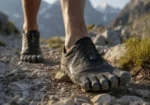
Vibram FiveFingers shoes are recognizable for their individual toe compartments, which allow each toe to move more independently than in traditional footwear. Their minimalist construction appeals to people looking for flexibility and a close connection to the walking surface.
Depending on the specific model, these shoes may be suitable for selected everyday activities, exercise, and outdoor use. Their thin construction can provide greater ground feel, although the level of protection and traction varies by model.
Who Should Consider Vibram FiveFingers?
These shoes may appeal to experienced minimalist-footwear users who enjoy the feeling of individual toe movement. However, the unusual fit can take time to get used to, and some people may find the toe compartments uncomfortable.
Before purchasing, check the sizing guidance and intended use of the particular model. People transitioning from conventional footwear should begin with short, easy walks rather than immediately using minimalist shoes for long distances.
2. Xero Shoes: Versatile Footwear for Everyday Walking
Lightweight Design for Daily Activities
Xero Shoes offers a range of minimalist and barefoot-inspired footwear. Depending on the model, features may include flexible soles, a roomy toe area, and lightweight construction.
These characteristics can make certain models appealing for everyday walking, travel, and selected outdoor activities. Some models are designed for road use, while others are better suited to trails or exercise.
What to Consider Before Buying
Not every Xero Shoes model has the same cushioning, traction, or intended use. Compare the specific shoe’s construction with your usual walking environment.
Consider:
- The amount of flexibility and ground feel you prefer.
- Whether the sole provides suitable grip for your route.
- The available width and shape of the toe box.
- The shoe’s durability for your typical walking frequency.
Xero Shoes may be worth exploring if you want minimalist-style footwear that can accommodate different activities, provided the selected model matches your needs.
3. Merrell Vapor Glove: Minimalist Comfort and Flexibility
A Low-Profile Option for Active Walkers
The Merrell Vapor Glove line is known for its minimalist approach, emphasizing a close-to-ground feel and flexible construction. Depending on the model and version, it may be suitable for selected walks, training sessions, and outdoor activities.
A low-profile shoe can help wearers experience the walking surface more directly than heavily cushioned footwear. However, less cushioning also means that rough or hard surfaces may feel more demanding, especially for beginners.
Is It Right for Your Walking Routine?
Merrell Vapor Glove may be a useful option for people who prefer lightweight footwear and a more direct ground feel.
Before deciding, evaluate the specific model’s outsole, upper material, fit, and intended terrain. If most of your walks take place on concrete or other hard surfaces, pay particular attention to how comfortable your feet feel during a short trial.
People who are new to minimalist shoes should increase walking time gradually to avoid placing too much demand on their feet and calves.
4. Vivobarefoot Primus Lite: Room for Natural Foot Movement
Minimalist Construction With a Spacious Toe Area
The Vivobarefoot Primus Lite range emphasizes lightweight construction and natural foot movement. Depending on the version, it may offer a flexible sole and a relatively spacious toe box.
The design may appeal to people who prefer less restrictive footwear for everyday movement, gym activities, or other uses specified by the manufacturer.
Some Vivobarefoot models also incorporate recycled or other lower-impact materials. Sustainability attributes vary by product, so check the details of the exact version before purchasing.
What Makes It Worth Considering?
A roomy toe area can help reduce the feeling of compression that some people experience in narrower shoes. A flexible sole may also allow the foot to move more freely.
However, the shoe should still fit securely around the heel and midfoot. Too much movement inside the shoe can cause rubbing, while an overly tight fit may restrict natural toe movement.
Compare the product’s sizing recommendations and intended use with your foot shape and daily routine to determine whether it is a suitable choice.
5. New Balance Minimus: A Minimalist-Inspired Alternative
A Different Approach to Minimalist Footwear
The New Balance Minimus range has included lightweight shoes designed for activities such as training and running. Certain models offer a more minimalist feel, while others may provide more structure or cushioning than traditional barefoot shoes.
This distinction is important because not every Minimus model meets the same definition of barefoot footwear. Heel-to-toe drop, sole flexibility, cushioning, and toe-box dimensions can vary by version.
Who May Benefit From This Style?
New Balance Minimus may be worth considering for people who want a lightweight shoe but are not ready for the thinnest soles available.
When comparing models, look beyond the product name. Check the actual specifications and determine whether the shoe offers the flexibility, toe space, and cushioning level you prefer.
For those who want a strict barefoot-style design, a model with a more conventional heel-to-toe drop or a narrower toe box may not meet their expectations.
Comparing the 5 Barefoot and Minimalist Shoe Options
The following comparison provides a starting point for choosing a shoe. Features vary by model and version, so verify the current product specifications before making a purchase.
| Shoe option | Main characteristic | Best suited for |
|---|---|---|
| Vibram FiveFingers | Individual toe compartments | People who prefer a distinctive, highly flexible design |
| Xero Shoes | Variety of minimalist-style models | Everyday activities and selected outdoor use |
| Merrell Vapor Glove | Low-profile, close-to-ground feel | Minimalist footwear enthusiasts |
| Vivobarefoot Primus Lite | Lightweight design and roomy toe area | People seeking natural foot movement |
| New Balance Minimus | Minimalist-inspired construction that varies by model | Those who prefer to compare different levels of cushioning and structure |
There is no single best option for every walker. Comfort depends on the fit, the terrain, the shoe’s construction, and how accustomed you are to minimalist footwear.
How to Transition to Barefoot Walking Shoes
Start With Short Walks
Switching from conventional shoes to minimalist footwear changes how your feet and lower legs experience walking. Even if the shoes feel comfortable initially, your muscles and connective tissues may need time to adapt.
Begin with short walks on familiar, relatively even surfaces. Gradually increase the duration and frequency only if you remain comfortable.
Pay Attention to Your Walking Form
Avoid forcing an entirely new walking style. Focus on comfortable, controlled steps and pay attention to how your feet respond.
If you experience persistent discomfort, reduce your walking time or return to your previous footwear while reassessing the fit and transition pace.
Add Simple Foot and Calf Exercises
Some people find gentle foot-strengthening exercises helpful when transitioning to minimalist footwear. Options may include:
- Toe movements: Practice spreading and relaxing your toes without forcing them.
- Calf raises: Build calf strength gradually while maintaining balance.
- Gentle foot rolls: Use a soft massage ball if it feels comfortable.
- Balance exercises: Practice standing on one foot near a stable support.
These exercises are optional and should be adjusted to your ability. They do not guarantee injury prevention, and any exercise that causes pain should be stopped.
Where to Buy Barefoot Walking Shoes
Shop Online and Compare Product Specifications
Brand websites and established footwear retailers can help you compare sizes, designs, prices, and return policies. Depending on the model and availability, you may be able to explore products through:
- Official brand websites: Useful for current specifications, sizing advice, and model details.
- Outdoor and running retailers: May carry selected minimalist footwear options.
- Online marketplaces: Offer a range of brands, but check seller credibility and return conditions.
Product availability, shipping costs, and pricing can change. Confirm the latest details before ordering.
Try Shoes in Person When Possible
Visiting a footwear retailer can help you evaluate fit before committing to a purchase. If possible, walk around in the shoes and check whether your toes can spread naturally without your heel slipping.
Look for enough space at the front of the shoe while ensuring that the midfoot and heel remain comfortably secure.
If you have persistent foot pain, a history of foot injuries, or a medical condition that affects sensation or circulation, consult a qualified healthcare professional before making a major change in footwear.
Frequently Asked Questions
Are barefoot walking shoes suitable for everyone?
No. Some people enjoy minimalist footwear, while others need more cushioning, stability, or specialized features. Individual foot structure, activity, and health considerations influence which shoes are appropriate.
What is the difference between barefoot shoes and regular walking shoes?
Barefoot shoes typically emphasize a wide toe box, flexible soles, and minimal cushioning. Conventional walking shoes often provide more padding and may include additional structure or support.
Can barefoot shoes improve foot strength?
Walking in minimalist footwear changes the demands placed on the feet and lower legs, and some muscles may work differently. However, benefits vary between individuals, and barefoot shoes are not a guaranteed way to improve strength or correct foot problems.
How long does it take to adjust to barefoot shoes?
The adjustment period varies. Some people adapt relatively quickly, while others need several weeks or longer. Begin with short walks and increase use gradually according to comfort.
Are barefoot shoes comfortable for long-distance walking?
They may suit some experienced users, but comfort depends on the terrain, shoe design, and individual tolerance. Test the shoes on shorter routes before using them for long walks.
Do barefoot shoes work on concrete?
Some people use them on concrete, but hard surfaces can feel demanding when cushioning is limited. Begin with short walks and consider a shoe with more cushioning if the surface causes discomfort.
How should barefoot walking shoes fit?
The toes should have enough room to spread, while the heel and midfoot should remain secure. Avoid shoes that cause pinching, excessive slipping, or painful pressure.
Are barefoot walking shoes suitable for hiking?
Some models are designed for particular trail conditions, but not all barefoot shoes provide adequate traction, protection, or durability for every hike. Check the manufacturer’s intended use and match the shoe to the terrain and weather.
Useful Resources
- American Podiatric Medical Association (APMA) – Delivers guidance on foot health and suitable footwear.
- Healthline – Offers articles and resources on health and wellness, encompassing foot care.
- Runner’s World – A comprehensive source for running advice, gear reviews, and injury prevention.
- National Academy of Sports Medicine (NASM) – Provides information on fitness training and biomechanics.
- Society of Adolescent Health and Medicine (SAHM) – Shares insights on broader health topics, including physical activity and youth footwear.
- Barefoot Running University – A dedicated resource focused on barefoot running and its benefits.
- Florida Podiatric Medical Association – Offers regional insights and tips from certified podiatrists.
- Vivobarefoot Official Site – Provides information regarding eco-friendly barefoot footwear and wellness tips.