
Finding The Perfect Balance Of Flexibility And Warmth In A Women’s Wetsuit
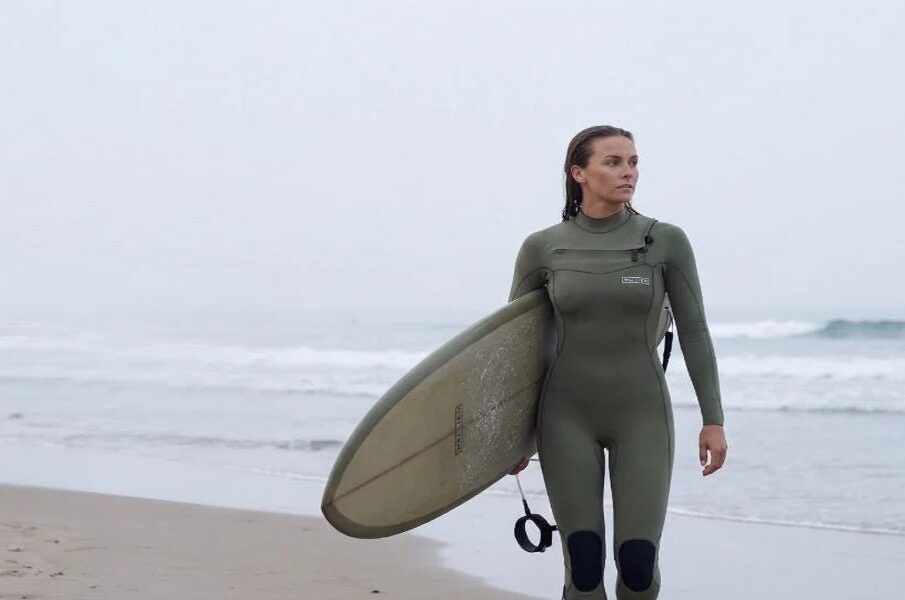
Water sports enthusiasts understand that comfort in the water depends on more than skill and experience. The clothing worn during activities such as surfing, snorkelling, diving, paddleboarding, and open water swimming plays a major role in overall performance. A womens wetsuit is specifically designed to help maintain body temperature while allowing the freedom of movement needed for active participation. Finding the right balance between flexibility and warmth is one of the most important considerations when choosing the ideal suit.
Why Warmth Matters In Water Activities?
Water removes body heat much faster than air, making temperature regulation a significant challenge. Even in conditions that seem pleasant on the surface, prolonged exposure can lead to discomfort and reduced performance. A wetsuit creates a thin layer of water between the suit and the skin. This layer is warmed by body heat, helping to insulate the wearer and reduce heat loss.
Warmth is especially important for individuals who spend extended periods in the water. Maintaining a comfortable body temperature allows participants to stay focused on their activity rather than becoming distracted by cold conditions. Whether exploring underwater environments or enjoying recreational water sports, adequate thermal protection enhances both comfort and endurance.
The Importance Of Flexibility
While warmth is essential, excessive insulation can sometimes restrict movement. Activities that require paddling, swimming, diving, or balancing demand a full range of motion. This is where flexibility becomes equally important.
Modern wetsuit designs focus on providing stretch in key areas such as the shoulders, arms, knees, and torso. Flexible materials help reduce fatigue because the wearer does not need to work as hard against the resistance of stiff fabric. Improved mobility can also contribute to better technique and greater confidence in the water.
For many users, comfort comes from a suit that feels like a natural extension of the body rather than a restrictive layer of equipment.
Understanding Material Technology
Advancements in wetsuit technology have significantly improved the balance between warmth and flexibility. Traditional materials often forced users to choose between insulation and freedom of movement. Today, innovative fabrics provide both.
Premium neoprene materials are engineered to stretch more effectively while retaining their thermal properties. Manufacturers also use specialised linings and construction techniques that increase heat retention without adding excessive bulk.
These developments allow modern wetsuits to feel lighter and more comfortable while still delivering the warmth required for various water conditions. Users can benefit from longer sessions with less physical strain as a result.
Choosing The Right Thickness
One of the most important factors in wetsuit selection is thickness. Thicker suits generally provide greater warmth, while thinner suits offer increased flexibility.
The ideal choice depends on the water temperature and intended activity. For warmer environments, a thinner suit may provide sufficient insulation while maximising mobility. In colder conditions, additional thickness helps maintain body temperature during extended exposure.
Many wetsuits use varying thickness levels throughout different sections of the garment. For example, the torso may feature additional insulation for warmth, while the arms and shoulders remain thinner to preserve flexibility. This strategic design helps achieve an effective balance between protection and performance.
Achieving The Perfect Fit
Even the most advanced wetsuit materials cannot perform effectively if the fit is incorrect. A properly fitted suit should feel snug without restricting breathing or movement.
A loose suit allows water to circulate excessively, reducing its insulating capabilities. Conversely, a suit that is too tight can create discomfort and limit mobility. Finding the right fit ensures that warmth is retained while flexibility remains uncompromised.
Many modern designs are tailored specifically to female body shapes, offering improved comfort and support. A well-fitted women’s wetsuit enhances both confidence and performance across a wide range of water activities.
Considering Activity Specific Needs
Different water sports place different demands on a wetsuit. Surfers often prioritise shoulder flexibility for paddling. Divers may place greater emphasis on thermal protection for deeper and longer dives. Open water swimmers frequently seek lightweight designs that minimise drag while maintaining warmth.
Understanding the primary use of the wetsuit helps narrow down the most suitable features. The best option is often one that matches both environmental conditions and activity requirements rather than focusing on a single characteristic.
Long-Term Comfort And Durability
A quality wetsuit should maintain its performance over time. Frequent exposure to saltwater, sunlight, and repeated stretching can affect materials if the construction quality is poor.
Durable stitching, reinforced seams, and premium fabrics help preserve both flexibility and insulation after repeated use. Investing in a well-constructed suit often leads to greater long-term value because it continues to perform effectively season after season.
Regular care and proper storage can further extend the lifespan of the wetsuit, ensuring consistent comfort and reliability whenever it is needed.
Conclusion
Finding the ideal women’s wetsuit involves balancing two critical factors: warmth and flexibility. Effective thermal protection keeps the body comfortable during extended water exposure, while flexibility supports natural movement and reduces fatigue. Thanks to advancements in material technology, modern wetsuits no longer require significant compromises between these benefits. By considering thickness, fit, activity requirements, and overall construction quality, water sports enthusiasts can select a wetsuit that delivers comfort, performance, and confidence in a variety of conditions. The right choice allows users to focus less on the environment and more on enjoying every moment in the water.